Dual vs Single Dash Cams: Which Is Best for Your Car?
Choosing between a single or dual dash cam can make a big difference in protection, convenience, and overall value. Here’s a breakdown to help you decide which is right for your driving needs.
Quick Summary
- Single Dash Cam: Easy to install, budget-friendly, captures front coverage only.
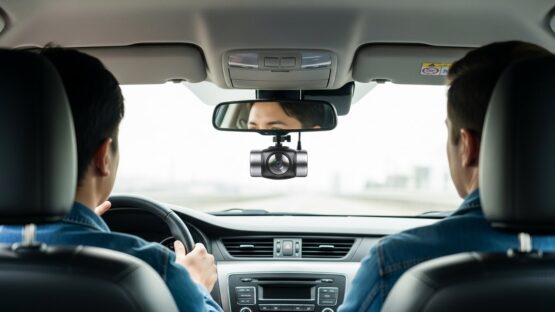
- Dual Dash Cam: Records both front and rear, offers better parking protection, ideal for rideshare drivers or family vehicles.
Single Dash Cam: Pros and Cons
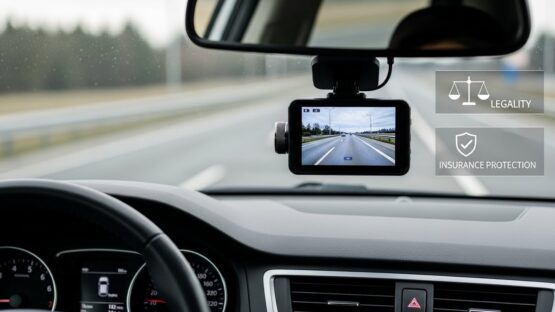
Single dash cams are the most common and popular choice for drivers who want essential coverage without breaking the bank.
- Pros:
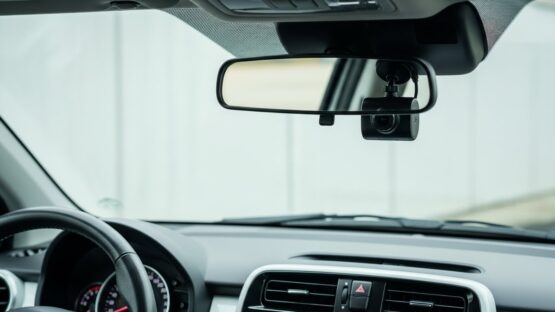
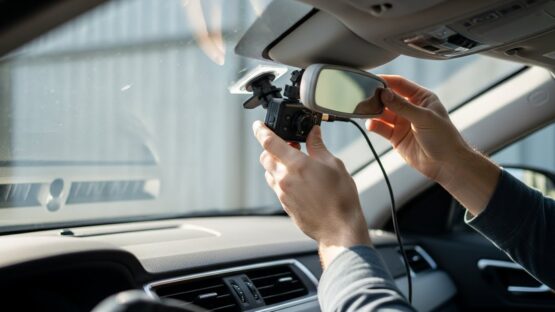
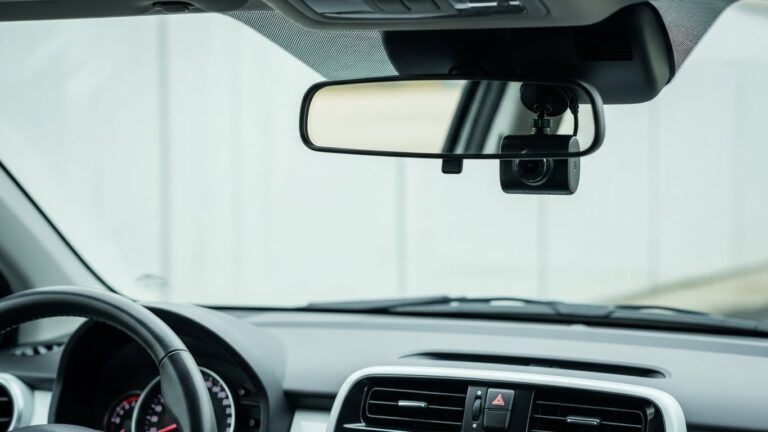
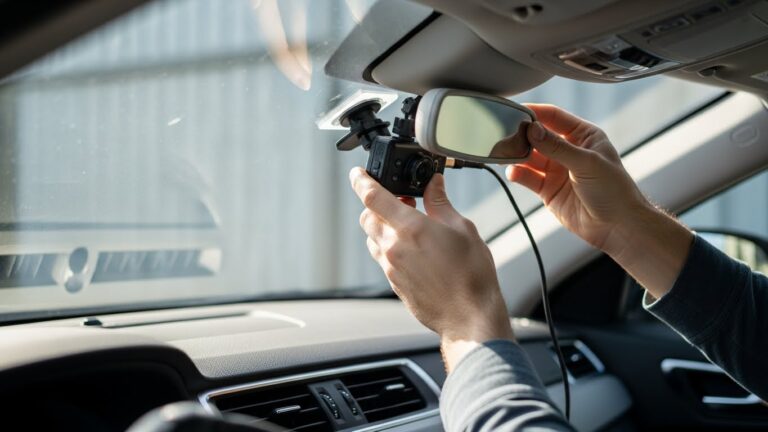
- Quick and easy installation — usually mounts to the windshield behind the rearview mirror.
- Budget-friendly — generally lower cost than dual dash cams.
- Minimal wiring and clutter inside the car.
- Front recording covers most accident scenarios on the road.
- Cons:
- No rear coverage — accidents, vandalism, or theft from behind may not be captured.
- Less useful for parking protection unless you add a separate rear camera later.
Dual Dash Cam: Pros and Cons
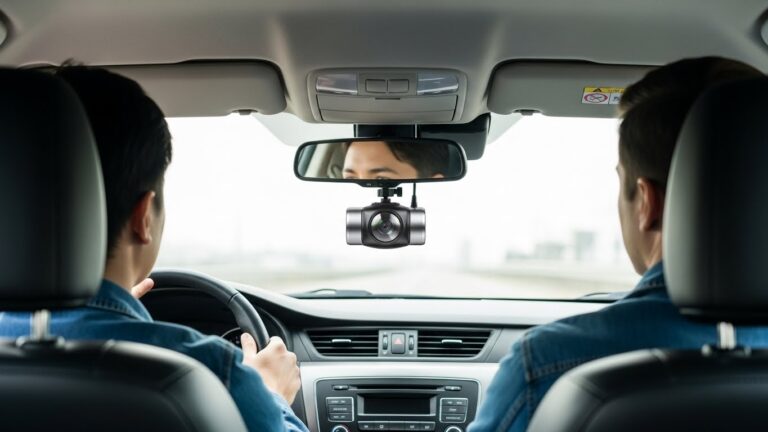
Dual dash cams include both front and rear cameras, giving you complete coverage of your vehicle from multiple angles. They are ideal for drivers who need extra protection or want to record rideshare or family trips.
- Pros:
- Front and rear coverage for comprehensive accident evidence.
- Improved parking surveillance — rear camera captures hit-and-run or vandalism incidents.
- Peace of mind for rideshare drivers, parents, or anyone transporting passengers regularly.
- Some models include advanced features like night vision, GPS tracking, and cloud connectivity.
- Cons:
- Higher cost — dual systems are more expensive than single cameras.
- More complex installation — wiring may run to the rear of the vehicle.
- Slightly more maintenance and potential for setup issues compared to single cams.
Which One Should You Choose?
The right choice depends on your driving habits and priorities:
- Choose a single dash cam if: You mainly drive your own car, want a budget-friendly option, and primarily need front coverage for road accidents.
- Choose a dual dash cam if: You want full coverage for parking, drive a family or rideshare vehicle, or need more comprehensive protection against vandalism, theft, and collisions from all angles.
Both options provide valuable protection, but understanding your specific needs will help you maximize the benefits and avoid paying for features you won’t use.
Comparison Table: Single vs Dual Dash Cams
| Feature | Single Dash Cam | Dual Dash Cam |
|---|---|---|
| Recording Coverage | Front only | Front + rear |
| Price | $100–$200 | $150–$500 |
| Installation | Plug & play | Slightly more complex, may require extra wiring |
| Best For | Budget-conscious drivers, front coverage only | Families, rideshare, full parking protection |
| Limitations | No rear coverage, less protection in rear accidents | Higher cost, slightly more complex installation |
Mini Reviews
Single Dash Cam Recommendation: VIOFO A229 Pro
Simple, reliable, excellent night vision. Ideal for daily commuting. Limitation: Does not record rear or cabin.

Dual Dash Cam Recommendation: Rexing R316 4K GPS WiFi
Front + cabin camera, GPS, and Wi-Fi. Great for rideshare and family cars. Limitation: Slightly larger footprint inside car.
FAQs
Do I need a dual dash cam for my small car?
- Not necessarily. Single dash cams provide sufficient front coverage for most small cars. Consider dual only if you want rear monitoring or parking coverage.
Will dual dash cams drain my car battery?
- Most dual dash cams are designed for continuous parking mode with low power draw. Hardwiring kits or built-in battery options prevent battery drain.
Can I install a dual dash cam myself?
- Yes, many dual dash cams come with plug & play kits, though some may require minor wiring. Always check the manufacturer’s instructions.
Final Recommendation
If you want a simple, budget-friendly option, a single dash cam such as the VIOFO A229 Pro will meet your needs. For full protection, especially for families or rideshare drivers, a dual dash cam like the Rexing R316 offers both front and rear coverage. Consider your budget and how much protection you need before deciding.